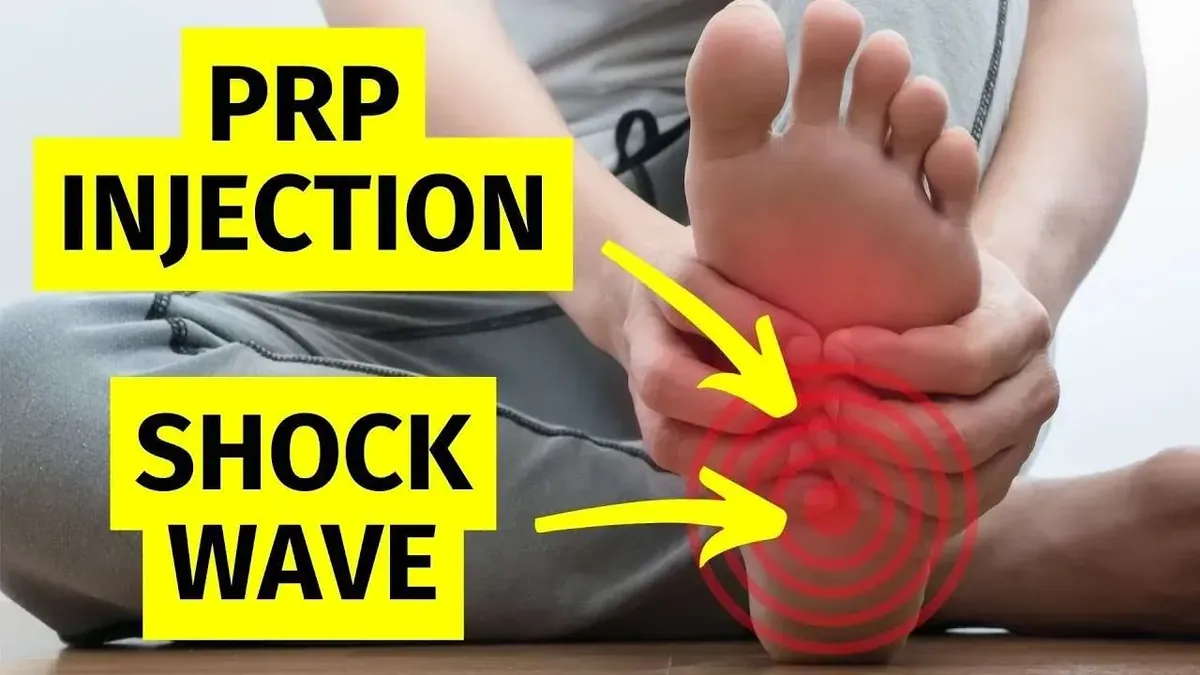
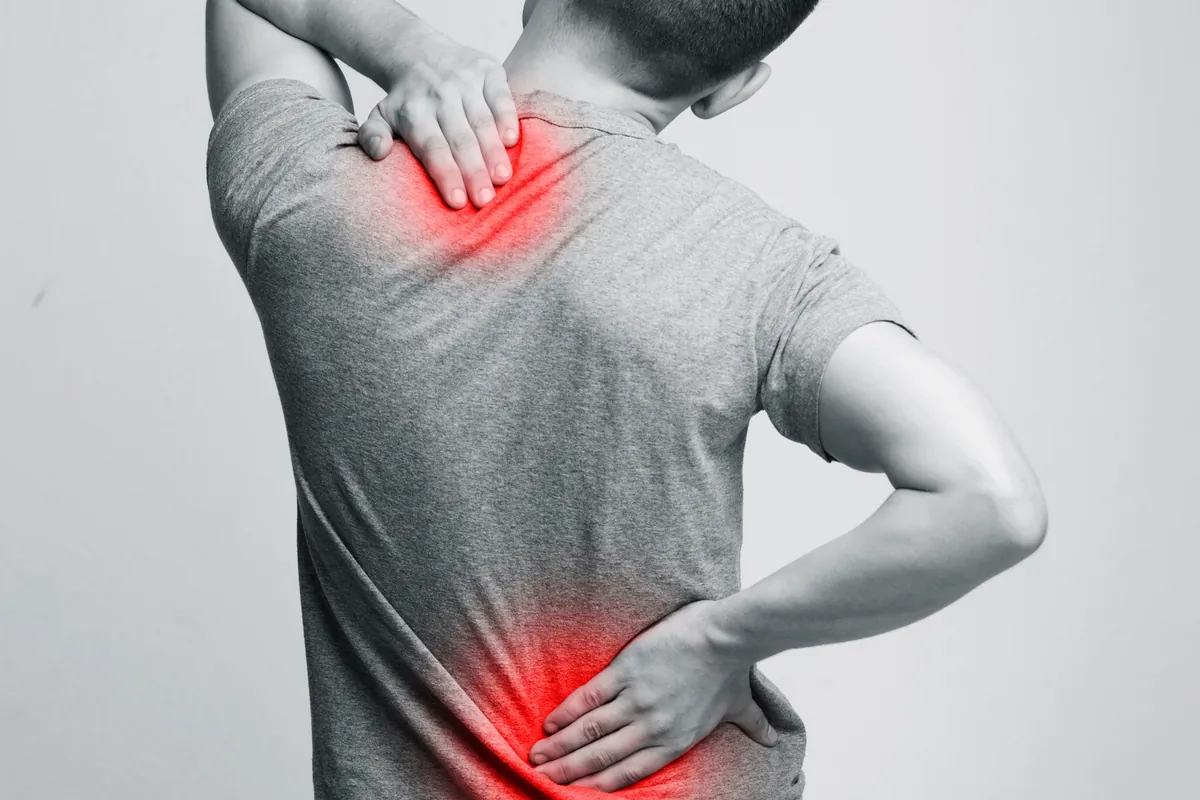
If you’ve ever experienced persistent shoulder pain, recurring back pain, or knee pain that keeps coming back despite stretching, injections, or rest, you may have asked yourself:
“Why does this keep happening?”
At On Point Movement & Performance, one of the most important concepts we teach patients is this:
Pain is often the symptom — not the source.
In other words, the location of your pain isn’t always the location of the problem.
The Traditional Approach
Many treatments begin with a simple question:
“Where does it hurt?”
If your knee hurts, treatment focuses on the knee.
If your shoulder hurts, treatment focuses on the shoulder.
If your back hurts, treatment focuses on the back.
While this can sometimes be appropriate, it doesn’t always explain why the problem developed in the first place.
Without identifying the underlying driver, symptoms often return.
The On Point Approach
At On Point, we ask a different question:
“What is missing?”
We use movement assessment principles derived from the Selective Functional Movement Assessment (SFMA) and our own 4×4 Matrix™ methodology to identify the underlying contributors to pain, dysfunction, and reduced performance.
Rather than simply treating the painful area, we evaluate how the entire body moves together.
The 4×4 Matrix™
Our approach focuses on four key areas:
1. Mobility
Can It Move?
Before a joint can function properly, it needs enough motion.
Examples include:
- Limited ankle mobility affecting squat mechanics
- Stiff hips contributing to low back pain
- Reduced thoracic mobility influencing shoulder function
Many times, the body compensates around these restrictions until pain eventually develops somewhere else.
2. Stability
Can It Control Movement?
Having enough motion is only part of the equation.
The body must also be able to control movement and maintain appropriate alignment during activity.
Examples include:
- Poor shoulder blade control contributing to shoulder pain
- Reduced trunk stability increasing stress on the spine
- Loss of hip control contributing to knee valgus during activity
3. Strength
Can It Produce Force?
Strength matters.
If muscles cannot generate sufficient force, other tissues often absorb the additional workload.
Examples include:
- Hip weakness increasing stress on the knees
- Posterior chain weakness contributing to low back pain
- Rotator cuff weakness reducing shoulder efficiency
4. Capacity
Can It Handle Real Life?
You may be strong enough for one repetition in the clinic but not prepared for the demands of real life.
Examples include:
- Working 10-hour shifts
- Playing pickleball for two hours
- Carrying grandchildren
- Yard work or home projects
- Returning to CrossFit or running
The body must be able to tolerate not only movement, but also volume, intensity, and duration.
Real Examples We See Every Week
Knee pain that actually starts at the ankle.
Limited ankle mobility changes how forces move through the knee during walking, squatting, and stair climbing.
Shoulder pain influenced by the upper back.
Poor thoracic mobility can reduce overhead mechanics and increase stress on the shoulder joint.
Back pain that originates at the hips.
When hips lose mobility, the lumbar spine often moves more than it should.
Balance problems that are not simply “aging.”
Many balance issues are influenced by strength deficits, sensory changes, vestibular dysfunction, and reduced movement confidence.
Why This Matters
Two people can have pain in the exact same location for completely different reasons.
This means:
- The same diagnosis does not always require the same treatment.
- Generic exercise programs may not address the true issue.
- Treating symptoms without identifying underlying contributors often leads to recurring problems.
Our Goal Isn’t Just Pain Relief
Pain relief is important.
But our real goal is helping you:
- Move more efficiently
- Build confidence
- Improve resilience
- Reduce future flare-ups
- Return to the activities you enjoy
Whether that means golf, pickleball, weight training, hiking, gardening, or simply keeping up with your family.
The Missing Piece
If you’ve tried stretching, rest, medications, or previous treatment without lasting results, it may be time to look at the bigger picture.
At On Point Movement & Performance, we help patients identify the missing piece in their movement puzzle and build a plan designed specifically for them.
Because better movement leads to better outcomes.
Schedule Your Assessment
If you’re dealing with persistent pain, stiffness, instability, dizziness, or limitations that keep returning, we’d love to help.